Mandala Art Font: Weaving Good Fortune into Your Designs
There’s a particular kind of magic in the geometry of a mandala—a sense of balance, unity, and intricate beauty that draws the eye and calms the mind. Capturing that essence in a typeface is no small feat, yet the Mandala Art font does exactly that. It’s more than just a decorative display font; it’s a design asset infused with symbolism, making it a compelling choice for projects that aim to feel both meaningful and visually stunning. If you’re looking to add a touch of positive energy and ornate elegance to your work, this creative font deserves a closer look.
Understanding the Visual Language of Mandala Art
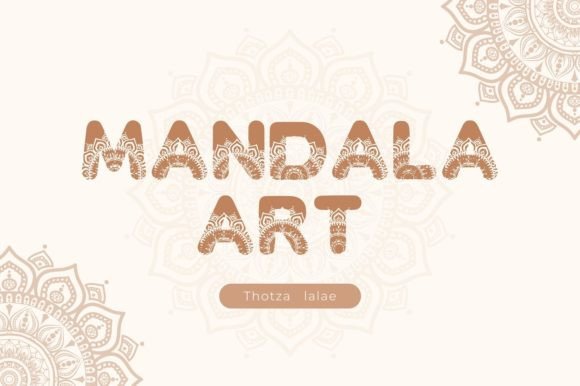
At its core, Mandala Art is a premium font that translates the concentric, symmetrical patterns of traditional mandalas into letterforms. Each character feels like a tiny, self-contained artwork, with swirls, dots, and geometric shapes that suggest sacred geometry without becoming overly literal or difficult to read. The personality of the typeface is serene yet celebratory—it communicates good fortune, mindfulness, and artisanal craftsmanship. Unlike a standard serif font or a clean sans serif font, it doesn’t aim for neutrality. Instead, it brings a distinct decorative voice to the table, making it perfect for headlines, logos, and short bursts of text where visual impact is the primary goal.
The overall appeal lies in its versatility within the decorative space. It avoids the looseness of a typical script font or the casualness of a handwritten font, opting instead for a structured yet ornate style. This makes it incredibly effective for logo design and brand identity projects for businesses in the wellness, spiritual, artisanal, or lifestyle sectors. Think yoga studios, boutique spas, handmade jewelry brands, or eco-conscious product lines. The font’s inherent symbolism of luck and harmony can instantly elevate a brand’s perception, suggesting a depth of care and intention that resonates with a mindful audience.
Where This Creative Font Truly Shines
Knowing where to deploy Mandala Art is key to harnessing its power effectively. Because it is a highly detailed display font, it excels in applications where text is used sparingly for maximum effect. Packaging design is a prime example. Imagine this font gracing the label of a premium tea, a scented candle, or a box of artisanal chocolates. It immediately signals that the product inside is special, crafted with attention to detail, and perhaps a little lucky to have found.
In editorial design and publishing, it can transform chapter titles, magazine covers, or book jackets for genres like spirituality, self-help, or fantasy. For web design, it can be a powerful hero section headline for a wedding planner’s site, a festival landing page, or a holiday promotion. The font’s association with good fortune makes it an outstanding choice for lucky cards—think New Year’s greetings, Diwali wishes, wedding invitations, or congratulations cards. Its intricate forms create a celebratory, auspicious mood that standard fonts simply can’t match.
For social media graphics, using Mandala Art for quote cards, event announcements, or profile banners can help a feed stand out with a cohesive, artistic aesthetic. Entrepreneurs and small business owners in the creative space can leverage it to build a recognizable brand identity that feels both professional and deeply personal. It’s a typeface that doesn’t just display words; it adorns them.
Practical Guidance for Using an Ornate Typeface
Working with a decorative font like this requires a thoughtful approach to modern typography principles. First, readability is paramount. Never set long paragraphs of body copy in Mandala Art. Its detailed forms are designed for impact at larger sizes, not for comfortable reading in blocks of text. Pair it wisely. A classic font pairing strategy is to combine it with a clean, neutral sans serif font or a simple serif font for body text. This creates a clear visual hierarchy, allowing the mandala-inspired headlines to command attention without overwhelming the viewer.
Before committing, always test the font in context. Evaluate its fit with your project’s color palette, imagery, and overall tone. Does the level of ornamentation align with your message? A minimalist tech brand might find it distracting, while a handmade soap company would find it perfect. Review all the included styles and glyphs in the font file. Many premium fonts come with alternates, ligatures, or decorative elements that can add even more uniqueness to your designs.
Finally, consider the practicalities of a commercial font. Ensure you have the correct license for your intended use, whether it’s for a personal blog, client work, or products for sale. Using a properly licensed font is a cornerstone of professional design work. Mandala Art, as a distinct design asset, can become a signature element in your toolkit—use it intentionally, pair it thoughtfully, and let its inherent symbolism of good fortune and beauty enhance the projects that matter most.